Why Does My Live Casino Stream Look Blurry on My Phone? How Do They Fix That?
Live casino streaming has revolutionized online gambling, bringing the thrill of a real casino floor directly to your fingertips. From multi-camera studio production to mobile websites and dedicated casino apps, operators strive to deliver an immersive experience. Yet, many users notice a frustrating issue: the stream looks blurry or pixelated, especially on smaller mobile devices. https://varimail.com/articles/why-did-live-casinos-get-better-as-phones-got-faster/ What causes this? And how do companies tackle the challenge to serve crystal-clear video on phones?
In this blog post, we'll dive into the technical nuances of live casino streaming. We’ll explore mobile streaming quality, adaptive bitrate streaming, lighting consistency, encoding tradeoffs, and the tough call between bitrate and resolution. Alongside, we’ll naturally look at industry leaders like MRQ, insights from the Society of Motion Picture and Television Engineers (SMPTE), and hardware considerations outlined by Hardware Times. By the end, you’ll understand why your stream sometimes looks fuzzy and what’s being done behind the scenes to fix that.
The Complex World of Multi-Camera Studio Production
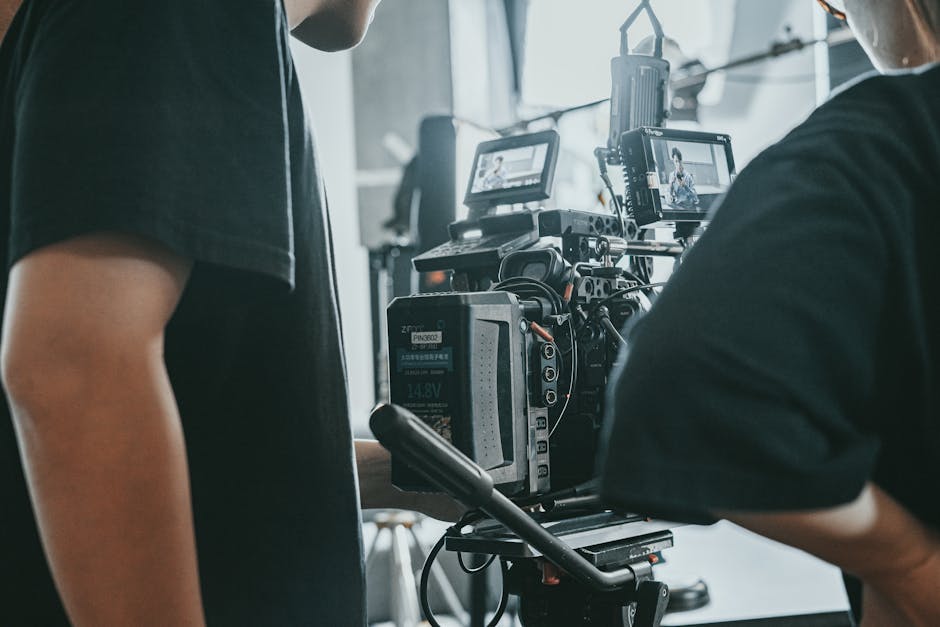
Unlike a simple one-camera livestream, live dealer casinos operate multiple cameras covering the dealer, table, chips, cards, and even audience reactions. This setup creates an engaging, dynamic visual experience but adds layers of complexity when streaming over mobile networks.

Each camera feeds into a live production switcher, often running on professional hardware encoders that compress the raw video before distribution. The challenge? Ensuring visual consistency and synchronization across all angles, while keeping the data lightweight enough for smooth mobile delivery.
Lighting and Visual Consistency: More Than Just Looking Good
Good lighting is essential in a live casino studio but also critical for efficient encoding. The Society of Motion Picture and Television Engineers (SMPTE) emphasizes that proper illumination reduces noise and error in video feeds, allowing better compression and higher perceived quality.
- Uniform lighting: Avoids harsh shadows which can confuse compression algorithms.
- Color consistency: Vital for natural skin tones of dealers and accurate card colors.
- Minimizing flicker and glare: Reduces compression artifacts that appear blurry on mobile screens.
Hardware Times often highlights that the lighting setup is a hidden hero in combating blurriness. A well-lit scene can maintain sharper details at lower bitrates—crucial when streaming to bandwidth-constrained devices.
Mobile-First Streaming Constraints: Why Phones Hurt Quality
Unlike fast and consistent desktop or smart TV connections, mobile streaming faces variable cellular networks, battery limitations, and smaller screen real estate. These constraints force providers to make tradeoffs:
- Lower Bitrate to Avoid Buffering: Mobile networks fluctuate; too high a bitrate leads to pauses or rebuffering.
- Resolution vs Bitrate: Sending full HD (1080p) video at low bitrates creates blurry details. Streaming operators often reduce resolution systematically first to keep bitrate manageable.
- Screen Size Considerations: Since mobile screens are small, the operator bets that viewers won’t notice small detail loss and so reduces bitrate accordingly.
Every online casino app and mobile stream health monitoring dashboard website uses these principles but with differing degrees of success. What truly helps is sophisticated encoding schemes paired with adaptive bitrate streaming (ABS).
Adaptive Bitrate Streaming (ABS): The Game Changer
In a nutshell, ABS means the live stream is encoded at multiple bitrates and resolutions simultaneously. As your phone’s connection quality changes, the streaming algorithm dynamically switches between these streams to optimize quality and prevent buffering.
Bitrate Resolution Use Case 500 kbps 426×240 Low bandwidth, congested networks 1500 kbps 854×480 (SD) Typical mobile networks 3000 kbps 1280×720 (HD) Strong LTE / WiFi networks 6000+ kbps 1920×1080 (Full HD) High-quality desktop / TV streamsPlatforms like MRQ specialize in managing these encoding pipelines, ensuring smooth switching between profiles without freezes or abrupt quality drops. Still, it’s a careful balancing act.
Encoding and Compression: Where Bitrate Meets Resolution
Where many operators drop the ball is blindly prioritizing resolution over bitrate—or vice versa. Let’s get real:
- Resolution: Defines the number of pixels in the frame (e.g., 720p vs 1080p).
- Bitrate: Amount of data transmitted per second (kbps or Mbps), affecting detail sharpness and motion clarity.
For mobile streaming quality, pumping up resolution without sufficient bitrate results in heavily compressed, blurry images full of blocky artifacts. It’s like zooming in on a pixelated photo.
Better to use a moderate resolution with a slightly higher bitrate than max out one and starve the other. Vendors informed by Hardware Times’ encoder reviews often prefer H.265 (HEVC) or AV1 codecs to gain compression efficiency, squeezing more quality at lower bitrates.
The SMPTE continues to set standards and best practices ensuring consistent quality in streaming pipelines—from camera capture to final delivery.
Common Causes of Blurriness and How They're Fixed
Here’s a quick checklist of why live casino streams end up blurry on phones and what’s done to fix them:
- Poor Lighting and Camera Setup: Upgrading studio lighting and calibrating cameras achieve cleaner feeds.
- Inadequate Bitrate Allocation: Using adaptive bitrate streaming with better codec support improves sharpness on mobile.
- Lack of Multi-Bitrate Profiles: Implementing ABS with tailored streams for mobile low bandwidth conditions.
- Compression Algorithms: Switching from outdated codecs (e.g., H.264 baseline) to H.265 or AV1.
- Network Fluctuations: Optimizing streaming protocols for latency and packet loss resilience.
What Happens When This Box Overheats at Hour 9?
One question I always ask when evaluating hardware: what happens when that encoder or switch overheats during a long session? The answer needs to be redundancy. Many studios have backup encoders standing by. Companies like MRQ provide workflows that can instantly failover encoding streams, so the viewer experience remains seamless.
Blurriness can spike if a device throttles down due to heat or load. By monitoring temperatures and load metrics proactively, operators avoid drop in image quality that users see on their mobile casino apps and websites.
Final Thoughts
If your live casino stream looks blurry on your phone, it’s rarely just a single issue. It’s the intersection of multi-camera studio production intricacies, lighting quality, mobile network constraints, encoding choices, and how intelligently adaptive bitrate streaming is employed.
Companies like MRQ innovate on adaptive streaming workflows, often in line with standards from SMPTE. Industry reviewers like Hardware Times provide invaluable insight into hardware encoder reliability and compression efficiency.
Understanding the necessary tradeoffs—bitrate vs resolution, compression vs latency—is key to improving mobile streaming quality and ultimately delivering a crisp, immersive live casino experience right in your hand.
So next time your stream looks blurry, remember: there’s a complex, tightly choreographed technical dance behind the curtain working 24/7 to make it better.