Why Do Short Videos and Slots Both Make Time Disappear?
In today’s fast-paced digital world, the way we consume entertainment has shifted dramatically. Whether it’s scrolling through an endless feed of short videos on your phone during a coffee break or spinning reels on a browser-based slot game at Mr Q Casino, both experiences have a curious effect: they make time seem to slip away unnoticed. This phenomenon, often referred to as time blindness, is deeply tied to how our brains process micro-entertainment and reward cycles. Let's explore why short videos and slots are so good at making time disappear, the role of modern mobile browsers and devices, and how patterns like autoplay and repeat spins create powerful micro-reward loops.
The Modern Coffee Break: A Micro-Entertainment Window
The traditional coffee break in a workplace has evolved from just grabbing a cup of coffee and chatting around the water cooler to becoming a prime moment for quick digital entertainment. According to the UK Health and Safety Executive (HSE), taking regular breaks improves wellbeing and productivity. Now, many take these few minutes as a chance to engage in bite-sized leisure activities—often on their phones or tablets.
This micro-entertainment window means consumers seek activities that:
- Can be started and stopped within just a few minutes
- Require minimal setup, like opening a browser instead of installing an app
- Provide a satisfying sense of progression or reward quickly
Both short videos (on platforms like TikTok or Instagram Reels) and browser-based slots on sites such as Mr Q Casino perfectly fit these criteria.
Why Short Sessions Matter
Smartphones and tablets have encouraged the development of consumption habits built around short sessions. Modern mobile browsers make access instantaneous—no need for lengthy app installs or logins. Users can open a tab, watch a brief set of videos or complete several slot rounds, then quickly close the window to return to work or offline activities.
The quick-loading nature of modern mobile browsers means there is minimal friction. An entire slot session or video binge can start in one or two taps without additional downloads. The seamlessness of this accessibility is critical in creating the impression of losing track of time, as there are no long waiting times to break immersion.
Slots and Short Videos: Self-Contained Rounds vs Clips
One of the key reasons both short videos and slots make time vanish is their nature as self-contained engaging units. Let’s break down what that means for each medium.
Short Videos as Brief, Digestible Clips
Each short video clip typically lasts anywhere from 15 seconds to a minute. This time frame is psychologically optimal: it’s long enough to engage attention but short enough that your brain doesn't load heavy expectations focused on long-term memory. These clips can be comedic, educational, or simply visually pleasing but share the trait of quick narrative arcs or punchlines.
Slots: Rounds with Clearly Defined Ends
In slots, each spin is a discreet round, with immediate feedback. After tapping the spin button, reels turn and reveal symbols, with clear outcomes communicated instantly—win, loss, or bonus trigger. Such finite loops reduce the cognitive load required to keep track of progress.
This low memory demand fits perfectly with how our brains enjoy short, repetitive tasks. Each round provides a chance of reward, triggering a dopamine response that encourages continued play. This is compounded by mechanisms such as autoplay or repeat spins, allowing multiple rounds without extra user taps and further blurring sense of elapsed time.
The Micro-Reward Loop: Why We Keep Coming Back
At the core of both short video watching and slot playing lies the micro-reward loop. This loop is a cycle of quick stimulation followed by either a small reward or the promise of an imminent one, creating a compelling urge to continue.
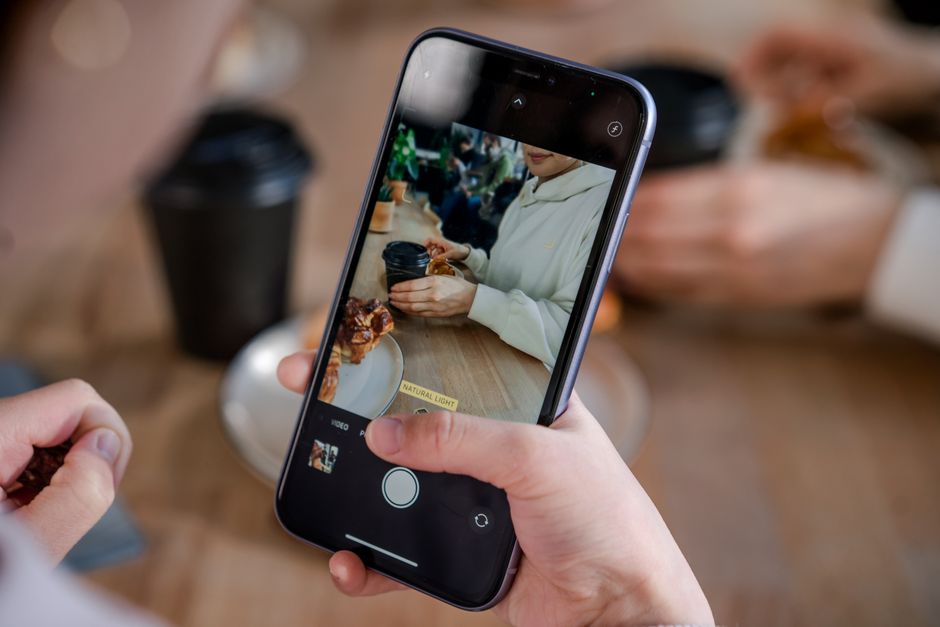
These short reward cycles are highly optimized on smartphones and tablets, where every tap or swipe leads fluidly into the next loop. The availability of autoplay or repeat spins in slots means the game takes over some manual input, helping maintain engagement without cognitive effort required for continuous input.
Browser-Based Access vs App Installs: Minimizing Friction to Maximize Engagement
Unlike earlier eras when gaming or video consumption often required app installs, today’s modern mobile browsers have seriously improved. The ability to jump directly into micro-entertainment via a URL lowers the friction to starting a session significantly:
- Instant loading: No waiting for downloads or permissions, tap and play
- Low memory usage: Avoids device slowdown associated with multiple apps
- Seamless switching: Users can switch between work, video, and games effortlessly
Sites like Mr Q Casino have embraced browser-first slot games, allowing users to play short, self-contained rounds without commitment. This approach appeals to micro-entertainers who want quick fun during coffee breaks but avoid clogging their phone storage.
Likewise, social and video platforms take advantage of browser-driven short https://timhortonsmenues.com/why-online-slots-fit-the-modern/ video consumption to enroll audiences in continuous autoplay experiences that feel “endless.”
Time Blindness: The Flip Side of Micro-Entertainment
While these experiences are enjoyable and perfect for small breaks, there’s a psychological downside: time blindness. It’s the sensation that time has flown by without conscious tracking, often leading users to spend more time than intended.
Both short videos and online slots exploit this unintentionally or intentionally by maintaining constant engagement loops combined with easy autoplay and minimal pauses. The UK Health and Safety Executive (HSE) encourages mindfulness and balancing digital breaks with offline activities to prevent fatigue or stress.
Balancing Screen Time with Real World Activities
To avoid time blindness impacting wellbeing, consider alternatives during your breaks:

- Stretching or quick physical exercises
- Mindfulness or breathing techniques
- A short walk outside
- Reviewing to-do lists or journaling offline
Using the camera on your phone to capture moments of nature, for instance, can be a refreshing change from continuous screen time, and platforms like Unsplash showcase how visual breaks can positively impact mental reset.
Conclusion
Short videos and slots both make time disappear through well-crafted micro-reward loops, minimal cognitive load, and frictionless access powered by modern mobile browsers and devices. Their design caters to our fragmented attention spans, especially during micro-entertainment coffee breaks.
However, it's essential to stay aware of time blindness and balance these engaging digital distractions with conscious offline activities to maintain healthy routines. Whether you’re spinning reels at Mr Q Casino or enjoying a string of short clips, embracing controlled breaks can enhance both enjoyment and wellbeing.