How Do I Explain Pachinko to My Friends Back Home?
If you’ve ever tried to describe Japan’s quirky gambling scene to friends overseas, you might have stumbled over a few puzzling terms: pachinko, keirin, toto. The Japanese gambling landscape is complex, filled with contradictions and strict legal frameworks, yet bursting with vibrant, real-world passions that defy easy explanation. Here, I’ll give you a grounded, authentic pachinko explanation alongside insight into Japan’s unique blend of gambling culture — from the sensory overload of pachinko parlours to the more disciplined thrill of sports betting like horse racing or toto.
The Legal Tightrope: Japan’s Gambling Laws vs Real-World Gambling Culture
Japan’s stance on gambling might at first glance appear rigid and forbidding. The country's Criminal Code criminalises most forms of gambling, reflecting a historical desire to avoid the social ills seen elsewhere. However, it’s far from a simple ban. Several legal exceptions exist that shape the public gambling culture in very particular ways:
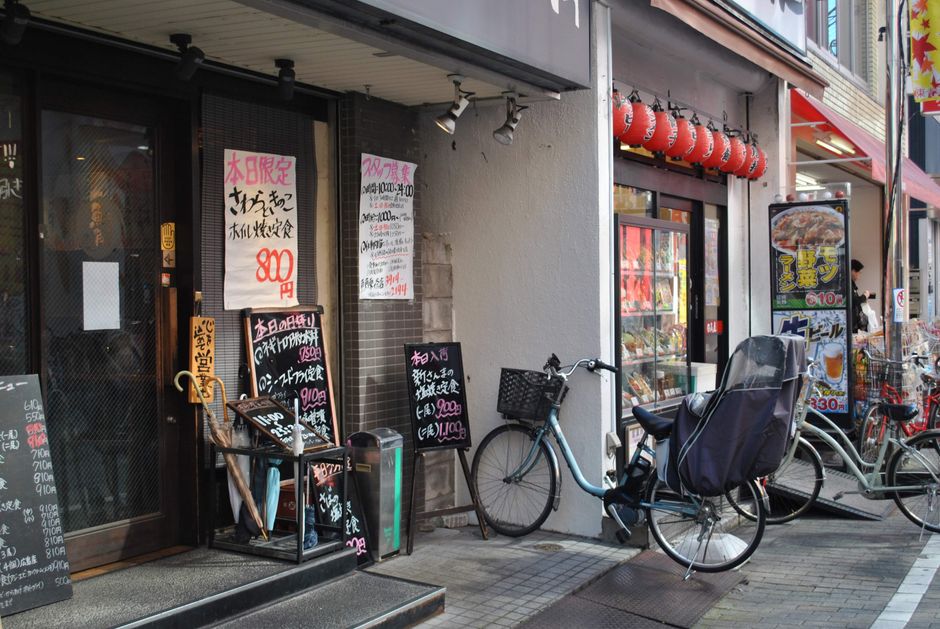
- Pachinko parlours operate in a legal grey zone.
- Public sports betting is allowed on events like horse racing, bicycle races (keirin), motorboat racing (kyoutei), and motorcycle racing.
- Toto, the national football lottery, is legal and increasingly accessible online.
This patchwork legality means you can legally enjoy gambling experiences in Japan, but only within clearly defined structures. Discover more There are no Western-style casinos yet, although integrated resorts are in development.
Why This Matters to You (and Your Friends)
When telling your friends about pachinko, it’s tempting to just gloss over the legal stuff. But trust me, ignoring these realities does your explanation a disservice. The quirks of the system explain why pachinko is what it is — neither quite gambling in the normal sense nor simply an arcade game.
If you want to dive deeper into the legal framework, the Ministry of Internal Affairs and Communications and the Japan Racing Association (JRA) provide official resources on gambling laws and legal betting options:
- Ministry of Internal Affairs and Communications
- Japan Racing Association (JRA)
Understanding Pachinko: The World’s Most Sensory-Overloading Game
Now, onto the question: how to explain pachinko? The best place to start is to describe what it actually feels like to walk into a parlour, rather than what you think the game “should” be.
The Arrival: An Overload of Sights and Sounds
From the moment you step inside a pachinko parlour — be it in Akihabara or the suburbs — you’re hit by a wall of sensory stimulation:
- Rows upon rows of flashing lights surround you, each machine boasting colourful animations and LED displays.
- The continuous sharp pinging sound of tiny steel balls bouncing and clattering into metal cups.
- A soundtrack of pop music, bells, and occasional chimes from jackpot wins.
- The steady whirl of air conditioning, masking the faint metallic scent of the balls and machines.
It’s honestly hard to avoid sensory overload here. In fact, this cacophony is part of the exhilarating charm.
How Pachinko Works: Like Slots, but with Steel Balls
For those unfamiliar, pachinko machines resemble vertical pinball games combined with slot machines. You buy a set number of shiny steel balls and launch them into the machine using a plunger. The balls cascade downward through a scattering of pins.

Your goal? To land balls in certain pockets or gates that trigger slot-like reels to spin. If the reels line up a winning combination — just like slots — you hit a jackpot. This jackpot can release even more balls, which you collect to exchange for prizes.
Step Action Result 1 Purchase a starter pack of steel balls. Receive about 500-700 balls to play. 2 Launch balls into the pachinko machine using a knob to control strength. Balls fall through pins; some land in winning pockets. 3 If balls enter jackpot zones, slot reels spin. Hitting winning combinations triggers payout of more balls. 4 Collect winnings in steel balls. Exchange balls for prizes at the counter.Why Pachinko Feels Like Slots but Isn’t Quite the Same
The “pachinko like slots” comparison comes from those spinning reels on the machines. But unlike Western slot machines, the actual game revolves primarily around your ability to control ball speed and trajectory, so there is skill mixed with chance.
But here’s the clincher: you don’t actually win cash directly from playing pachinko. Instead, you exchange the balls for prizes. Then, here's the Japan cleverness — there’s a separate nearby shop where you can sell those prizes for cash at a value close to their retail price. This loophole keeps pachinko within legal gambling exceptions while allowing cash-out.
Pachinko Balls Prizes: What Can You Get?
Prizes typically range from snacks and toiletries to electronics and luxury gifts. But the most common “prize” is a special token that can be taken to the affiliated exchange shop next door.
This process is as much part of the pachinko culture as the game itself — that little extra step from balls to prize to cash feels like a carefully choreographed dance to stay within legal boundaries.
Beyond Pachinko: Japan’s Sports Betting Culture
Pachinko is just one thread in Japan’s rich tapestry of betting culture. Unlike Western casinos with their cigarette smoke and clinking chips, public sports betting spots in Japan have a different vibe:
- Horse Racing (Keiba) — Perhaps the most popular form of sports betting. Racecourses buzz with excitement, but the atmosphere often feels more sedate and family-friendly than Western tracks.
- Keirin (Track Bicycle Racing) — A fast, tactical race with punters gathering at velodromes or online to place bets.
- Kyoutei (Motorboat Racing) — Betting on speedboats skimming through canals, offering rapid-fire betting events.
- Toto — National football lottery with legal online ticket purchase options making it accessible and modern.
The Contrast: Sports Betting vs Casino Vibes
What’s striking is the absence of traditional casino glitz. Sports betting is more public, regulated, and rooted in supporting official associations. It’s less about sensory bombardment and more about calculated strategy.
For example, many punters use mobile applications to buy toto tickets legitimately, showcasing how technology is easing access within the legal frameworks. Check out the official “Toto” website for details on legal mobile ticket purchases:
- Official Toto Portal
Wrapping Up: How to Explain Pachinko Clearly
So, next time a friend asks, “What on earth is pachinko?” here’s a straightforward way to put it:
- Pachinko is a legal, uniquely Japanese game that blends elements of pinball and slot machines.
- You play by launching small steel balls into a machine, aiming to trigger slot-like jackpots.
- You win more balls, which you then exchange for prizes — often convertible into cash through a separate store.
- The parlour’s sensory overload — flashing lights and constant noise — is part of the thrilling atmosphere.
- Japan’s gambling laws restrict outright betting outside specific contexts, but pachinko and public sports betting create a vibrant, distinctive gambling ecosystem.
This helps dispel urban myths about pachinko while highlighting its fascinating cultural place. And if your mates want to know more, point them towards official sites and bear in mind: what looks like simple gambling often involves clever legal workarounds and wonderfully immersive experiences.
Written by a https://reliabless.com/what-is-the-easiest-legal-bet-to-place-in-japan-with-little-japanese/ UK-born travel writer with two decades exploring Japan’s side streets and subcultures, always focusing on what it actually feels like to be there.